Get Ready for Clocks to Fall Back Beginning November
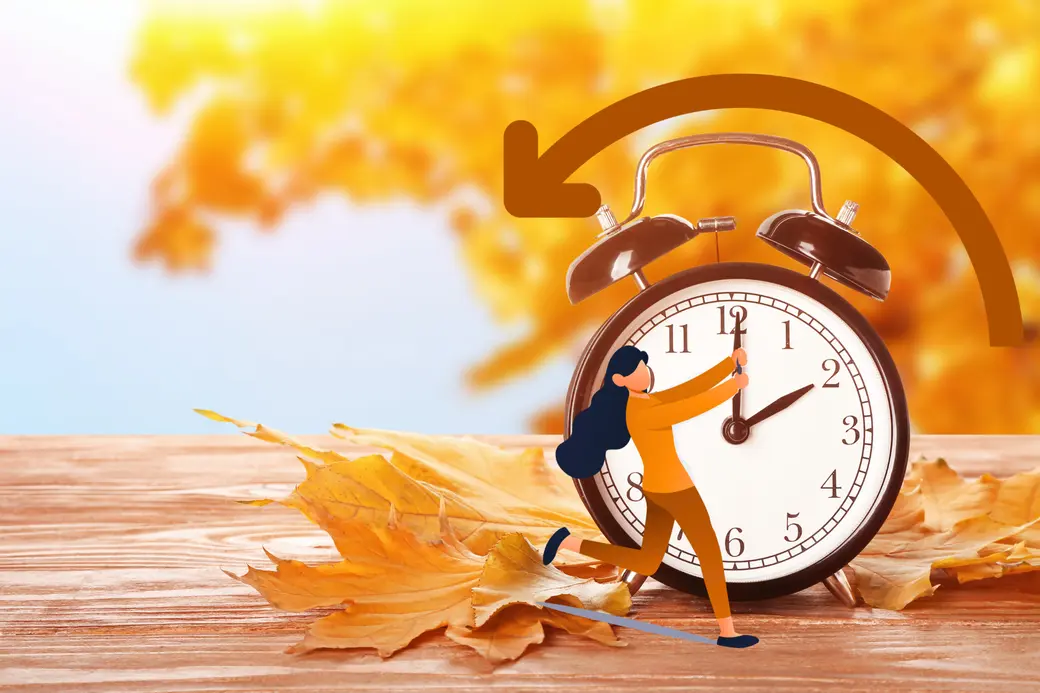
When do clocks fall back in November 2026? In California, clocks will move back one hour on Sunday, November 1, 2026, at 2 a.m., marking the end of Daylight Saving Time. We'll gain an hour on the clock, but evenings will get darker earlier, making this a good time to prepare our homes and routines for the change.
When Do We Fall Back in 2026?
Mark your calendar for Sunday, November 1. At 2 a.m. local time, clocks will turn back to 1 a.m. Most smartphones and connected devices should update automatically, but wall clocks, microwave clocks, car clocks, and some appliances may need a manual adjustment.
If you're heading to bed Saturday night, you can set those clocks back before you turn in. That way, you'll wake up on Sunday with the correct time.
The clock change also means the daylight we see in the evening shifts toward the morning. You may notice the sun setting earlier, which can affect everything from your evening walk to the time you get home from work.
Why Do We Change the Clocks?
Daylight Saving Time moves clocks forward by one hour during part of the year, giving us more daylight in the evening by shifting the clock's relationship to the sun. When we return to standard time in the fall, that hour shifts back toward the morning.
The idea has a long history. New Zealand entomologist George Vernon Hudson proposed a seasonal time adjustment in 1895. British builder William Willett later campaigned for a similar change. Germany and Austria introduced daylight saving time during World War I in 1916, and other countries followed.
In the United States, the current schedule sets the beginning of Daylight Saving Time on the second Sunday in March and its end on the first Sunday in November. Not every U.S. state or territory observes the change, but California does.
How the Time Change Can Affect Your Home
Earlier sunsets can change how your home feels and functions in the evening. A few small adjustments can help make the transition easier.
Check Your Indoor Lighting
With less daylight in the evening, you might rely on lamps and overhead lights more often. Take a quick walk through your home around the time you'll usually be settling in for the night. Are hallways, stairs, and entryways well lit? Could a reading lamp or a warmer light in the living room make the space more comfortable?
It's also a good time to check bulbs that have burned out and make sure outdoor lights work properly.
Make Your Entryway Welcoming
If you arrive home after sunset, a well-lit entrance can make coming and going more convenient. Check your porch light, garage lighting, and pathway lights. If you use automatic lighting, review its timer or sensor settings so it turns on when you need it.
Give Outdoor Spaces a Quick Check
Patios, balconies, and backyards often get less use once evenings become darker and cooler. Before the season settles in, tidy up outdoor furniture, check exterior lighting, and store cushions or other items that aren't designed to stay outside in wet weather.
You don't have to make big changes. A few practical updates can help you continue enjoying your space.
Review Your Home's Seasonal Maintenance
The clock change can serve as a reminder to take care of a few routine household tasks. Test smoke alarms and carbon monoxide detectors according to the manufacturer's instructions, replace batteries where needed, and make sure everyone at home knows what to do if an alarm sounds.
You can also check weatherstripping around doors and windows for visible wear and look for drafts. If you notice a problem, decide whether it needs a simple repair or a professional assessment.
Tips for Adjusting to the Time Change
The extra hour may sound like a treat, but changing the clock can throw off your usual routine for a few days. Here are a few simple ways to make the transition smoother.
- Keep your sleep schedule consistent. Try to go to bed and wake up at your usual times.
- Get some daylight in the morning. Opening the curtains or taking a short morning walk can help you settle into the new schedule.
- Plan evening activities with the earlier sunset in mind. If you enjoy walking outdoors, consider going a little earlier or choosing a well-lit route.
- Check appointment times. If you have weekend plans, confirm the time and make sure your devices are displaying the correct hour.
- Remember the clocks you don't use every day. Check the time on appliances, vehicles, and other manual clocks around your home.
These small habits can help the change feel less disruptive.
What Does the Clock Change Mean for Homebuyers and Sellers?
For anyone buying or selling a home, shorter daylight hours are worth keeping in mind when planning a schedule.
If you're touring homes in the late afternoon, remember that outdoor spaces and rooms with natural light may look different as the sun gets lower. Try to view a property at a time that gives you a useful sense of its lighting, and turn on interior lights when needed.
Sellers can also take a few minutes to check how their home looks in the evening. Make sure entryways are lit, walkways are clear, and the home's exterior is easy to see. If you're preparing for a showing after work, these details can help visitors move through the property more comfortably.
The clock change doesn't alter a home's value, but it can change how you experience the property at different times of day. Lighting and timing are simple details to plan for as the season changes.
When Will Clocks Spring Forward Again?
After we return to standard time in November, Daylight Saving Time is scheduled to begin again on Sunday, March 14, 2027. At 2 a.m., clocks will move forward to 3 a.m.
Until then, we'll have earlier sunsets and more daylight in the morning. Use the November time change as a convenient reminder to check your clocks, review a few household essentials, and make your home feel comfortable for the season.
Getting Your Home Ready for the Season?
Whether you're preparing to sell, considering a move, or simply keeping up with homeownership, small details can make a difference in how you enjoy your space. Cyndi Lesinski and Associates can help you understand your real estate options and plan your next steps.
Cyndi Lesinski 661-510-5516. Broker-Associate and REALTOR®, Cyndi Lesinski and Associates serve in Valencia, Santa Clarita, Castaic, Canyon Country, Newhall, Saugus, Stevenson Ranch, the San Fernando Valley, Los Angeles, Burbank, Glendale, and beyond.
If you're looking for guidance on pricing, preparing your home for the market, understanding your options, or exploring your next purchase, visit Cyndi's Real Estate Support Center for additional resources and tools: Santa Clarita Real Estate Support Center
Sources for the clock-change information: National Institute of Standards and Technology, U.S. Naval Observatory, and historical background from HISTORY.
Categories
Recent Posts