What Is Escrow and How Does It Work When Selling a Home in California?
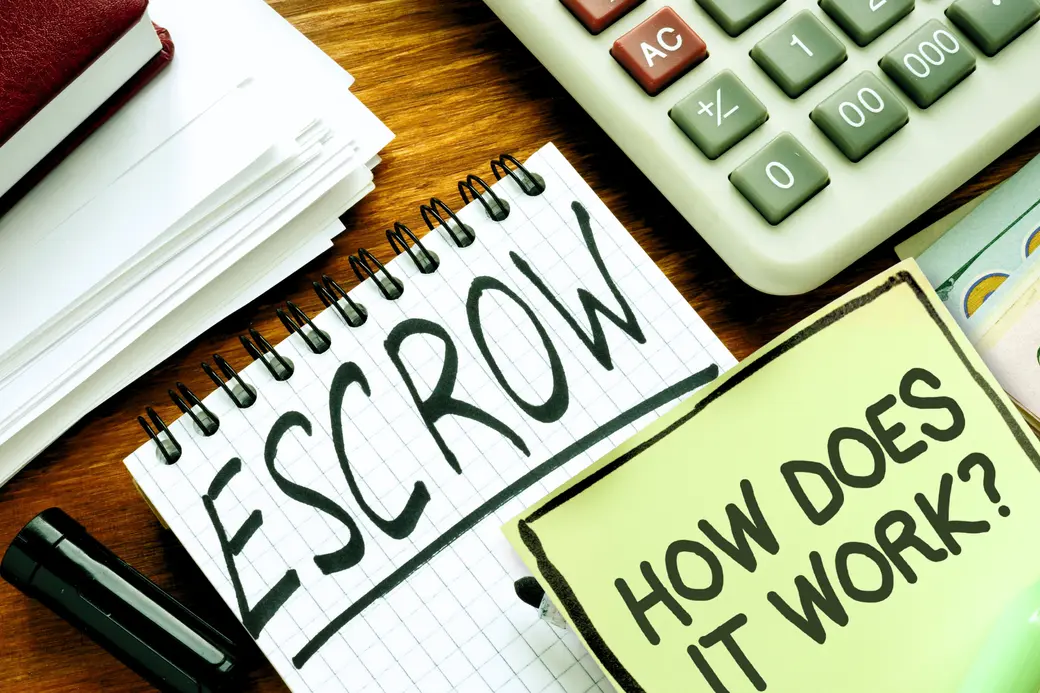
What is escrow when selling a home in California?
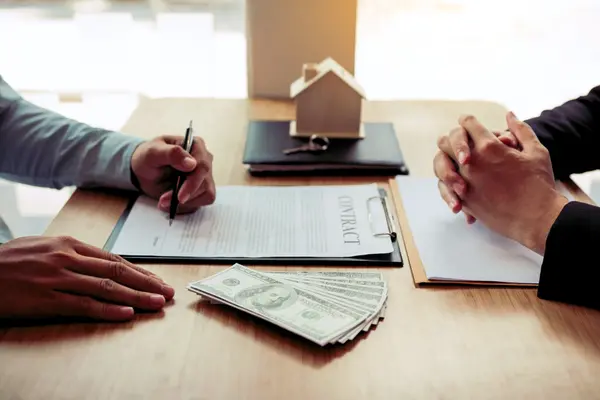
Escrow is the process that helps coordinate the money, documents, and other requirements involved in a real estate sale. A neutral escrow holder receives and holds funds or documents until the conditions in the transaction have been satisfied and the transaction is ready to close.
For a seller, escrow is the stage between accepting an offer and completing the sale. Your purchase agreement establishes the terms of the transaction, while the escrow holder handles the funds and documents according to the applicable escrow instructions.
If you're selling a home for the first time, escrow can seem complicated. Once you understand what happens at each stage, it becomes much easier to follow.
When does escrow start?
Escrow generally begins after the buyer and seller have agreed to the terms of the sale.
At that point, the transaction still has several steps to complete. Depending on the purchase agreement, the buyer may need to complete inspections, obtain financing, satisfy contingencies, and deliver the required funds. The seller may need to provide documents, address title matters, complete disclosures, and meet other obligations in the agreement.
The exact process depends on the transaction.
That's why an accepted offer doesn't necessarily mean the sale is finished. There's still work to do before closing.
Who handles escrow in California?
California allows escrow services to be provided by different types of licensed or otherwise authorized entities.
Independent escrow companies commonly handle real estate escrows. Title insurance companies can also provide escrow services, and California-licensed real estate brokers may perform escrow services in transactions where they are acting as an agent or party, subject to applicable requirements.
The process can also look different depending on where the property is located.
In Southern California, title and escrow services are commonly handled separately. In Northern California, title companies more commonly handle both functions. Practices and fees can vary by location and transaction.
For a seller in Santa Clarita, it's normal to have an escrow contact and a title contact who handle different parts of the transaction.
What does the escrow company do?
The escrow holder has a specific role in the transaction.
Depending on the transaction and escrow instructions, the escrow holder may receive the buyer's funds, hold documents, coordinate the payoff of existing obligations, handle prorations, prepare final accounting statements, coordinate recording, and distribute funds when authorized.
The escrow officer isn't there to negotiate the sale for you.
For example, if you and the buyer disagree about a repair, credit, or other contract term, that issue isn't something the escrow officer decides. The parties and their representatives need to resolve the matter according to the purchase agreement and applicable law.
Escrow's job is to carry out the transaction once the appropriate instructions and requirements are in place.
What does the seller need to provide?
One of the first things you'll notice during escrow is the amount of paperwork.
You may be asked for identification, ownership information, mortgage payoff details, trust or entity documents if applicable, and other information needed to complete the transaction.
Your escrow officer may also send documents for you to review and sign.
Don't put these requests aside just because closing is still weeks away. Some documents are time-sensitive, and a delay can create problems later.
If you're not sure why a document is needed, ask before signing it.
What happens to the buyer's deposit?
The buyer's deposit is generally delivered to escrow according to the purchase agreement.
The escrow holder keeps the funds according to the applicable instructions and transaction terms rather than simply releasing the money to the seller.
What happens to the deposit if the transaction is canceled depends on the purchase agreement, applicable contingencies, and the circumstances surrounding the cancellation.
This is one reason sellers should understand the terms of the offer before accepting it.
What happens with the property's title?
Title work is another important part of the escrow process.
The title company examines the property's ownership records and looks for matters such as liens, claims, or other encumbrances that may need to be addressed before the transaction can close.
If you still have a mortgage on the property, the loan payoff is generally handled as part of the closing process.
Other recorded obligations may need attention as well.
Finding something on the preliminary title report doesn't automatically mean the sale will fail. Some issues can be resolved during escrow. Others may require additional documents or assistance from the appropriate professional.
The sooner a potential title issue is identified, the more time there is to address it.
What happens to your mortgage when you sell?
If you have an existing mortgage, the outstanding payoff amount is generally accounted for during escrow.
For example, suppose you sell your home for $800,000 and the lender's payoff amount is $450,000.
That $450,000 isn't money that you'll receive after closing. It is an obligation that is accounted for from the transaction proceeds.
Your final proceeds can also be affected by other costs, credits, liens, taxes, prorations, and transaction expenses.
That's why the sale price by itself doesn't tell you how much money you'll actually receive.
What are seller closing costs?
Seller closing costs vary.
Depending on the transaction, they can include items such as title charges, escrow charges, agreed-upon buyer credits, loan payoffs, prorations, taxes or assessments, recording-related charges, and other expenses required by the contract or applicable to the property.
The seller and buyer can also negotiate certain costs as part of the transaction.
There's no single percentage that accurately describes every California seller's closing costs.
Your estimated proceeds should be based on your actual sale price and the expenses that apply to your particular transaction.
What is the seller's closing statement?
One of the documents you'll want to review carefully is the statement showing the financial details of your sale.
It can show the purchase price, loan payoff, credits, fees, prorations, taxes, and other amounts being paid or credited through escrow.
The final calculation determines how much money remains for you after the applicable obligations are satisfied.
Don't wait until the last minute to look at these numbers.
If something doesn't make sense, ask your escrow officer or real estate professional to explain the item and identify who can answer the question if it falls outside their role.
What are prorations?
Prorations are adjustments that divide certain expenses between the buyer and seller based on the closing date and the terms of the transaction.
Property taxes are one example.
If a tax or other expense covers a period that overlaps the closing date, the transaction may include an adjustment so the appropriate portion is allocated to each party.
California's Department of Insurance explains that escrow can prorate items such as taxes, interest, and insurance according to the escrow instructions.
The calculation may look complicated on the closing statement, but the purpose is simple: to allocate applicable expenses between the parties based on the transaction terms and closing date.
What is California's Form 593?
If you're selling California real property, you'll also encounter California's real estate withholding rules.
The California Franchise Tax Board requires a Form 593, Real Estate Withholding Statement, for California real estate transactions. The form is used to document the withholding process and applicable exemptions or other withholding calculations.
This doesn't mean every seller will have the same amount withheld.
There are full and partial exemptions, and the applicable rules depend on the seller and transaction. For example, the 2026 Form 593 includes an exemption for qualifying principal residences under the applicable federal tax rules, along with other exemption situations.
If you're unsure how the withholding rules apply to your sale, don't guess.
Your escrow professional can help with the transaction paperwork, while a qualified tax professional can advise you about your individual tax situation.
Who pays for title insurance in California?
Title insurance and escrow costs aren't necessarily divided the same way in every California transaction.
The California Department of Insurance notes that local customs vary. In Southern California, the seller customarily pays the premium for the owner's title insurance policy, but the parties can negotiate a different allocation.
That's an important distinction.
“Customary” doesn't mean “required in every transaction.”
The purchase agreement and other transaction terms determine what the buyer and seller have actually agreed to pay.
What does the seller need to do during escrow?
Your role isn't to manage the escrow company.
Your role is to stay informed, provide requested information, meet your contractual obligations, and make decisions when something requires your attention.
That may include signing documents, providing payoff information, responding to questions, completing required forms, addressing agreed-upon repairs, and meeting deadlines in the purchase agreement.
If your situation involves a trust, estate, divorce, investment property, tax issue, or another complication, additional documents or professional advice may be necessary.
It's better to identify those circumstances early than to discover them days before closing.
What can delay escrow?
Escrow can be delayed for many reasons.
Financing problems, unresolved title issues, missing documents, delayed signatures, appraisal concerns, inspection negotiations, incomplete disclosures, payoff problems, and other transaction issues can all affect the timeline.
Not every delay is caused by the seller or buyer.
The best thing you can do is stay responsive and communicate when something changes.
If you know you're going to be unavailable for several days, let the appropriate people know in advance.
Small communication gaps can become bigger problems when a transaction has firm deadlines.
What should sellers know about wire fraud?
This deserves special attention.
Real estate transactions involve large amounts of money, which makes them an attractive target for fraud.
Be particularly careful with emails or messages that suddenly provide new wire instructions or ask you to change where your proceeds should be sent.
Don't rely solely on an email to verify financial instructions.
Confirm the information using a trusted phone number or another independently verified method before sending money or approving a change.
If something feels unusual, stop and verify it.
What happens before escrow closes?
As the transaction approaches closing, the remaining pieces need to come together.
The buyer needs to deliver the required funds. Required documents need to be signed. Contract conditions and applicable contingencies need to be completed or otherwise resolved. Title matters and loan payoffs need to be addressed. The escrow holder then prepares for the final recording and disbursement process.
The exact sequence depends on the transaction.
That's why your escrow officer and real estate professional may give you specific instructions as the closing date approaches.
Follow those instructions rather than relying on a generic timeline you found online.
What happens when escrow closes?
Closing is when the transaction's requirements have been completed and the sale can move forward to recording and disbursement according to the escrow instructions.
The deed and other required documents are recorded as instructed, and the funds are distributed once the applicable closing requirements have been satisfied.
The timing of recording and the availability of proceeds can vary.
If you're coordinating a move, another home purchase, or a major financial commitment, confirm the timing with your escrow professional rather than assuming the funds will be available at a particular time of day.
When does the seller receive the proceeds?
Once the transaction has closed and the required disbursement steps have been completed, your net proceeds are distributed according to the escrow instructions.
The amount isn't simply the sale price minus your mortgage.
The final amount can reflect loan payoffs, agreed credits, taxes, prorations, title and escrow charges, liens, and other applicable transaction expenses.
That's why reviewing your estimated proceeds before closing is so important.
You should have a clear understanding of the expected amount and what is being deducted from the sale.
How long does escrow take?
There isn't one California escrow timeline that applies to every sale.
The timing depends on the purchase agreement, financing, contingencies, title work, document requirements, and other circumstances.
A cash purchase may move differently from a financed purchase. A transaction with a title issue may take longer than one with a clean title. Financing or inspection issues can also affect the schedule.
Instead of relying on a generic number of days, look at the deadlines in your purchase agreement and stay in contact with your escrow officer and real estate professional.
What happens after escrow closes?
Keep your final transaction documents after the sale.
Your closing statement, escrow documents, tax-related forms, and other records may be useful later for tax reporting or your personal records.
The California Franchise Tax Board's Form 593 is part of the state's real estate withholding process, so keep the documents related to your transaction and consult your tax professional about what you need for your tax return.
Escrow doesn't have to feel overwhelming
If you've never sold a home before, escrow can feel like a lot of paperwork and unfamiliar terminology.
But once you break it down, the process follows a logical path.
You accept an offer. The transaction moves into escrow. Funds and documents are coordinated. Title and payoff matters are addressed. Contract requirements are completed. The financial details are finalized. Then the transaction closes, the applicable documents are recorded, and the proceeds are distributed.
The details will vary from one sale to another.
That's why having a knowledgeable real estate professional involved can be helpful. You should know what is happening, what needs your attention, and who to contact when a question comes up.
Selling a Home in Santa Clarita?
If you're preparing to sell a home in Santa Clarita, Valencia, Stevenson Ranch, Castaic, Newhall, Canyon Country, or Saugus, Cyndi Lesinski and Associates can help you understand what to expect from preparing your home and reviewing offers through escrow and closing.
Cyndi Lesinski 661-510-5516. Broker-Associate and REALTOR®, Cyndi Lesinski and Associates serve in Valencia, Santa Clarita, Castaic, Canyon Country, Newhall, Saugus, Stevenson Ranch, the San Fernando Valley, Los Angeles, Burbank, Glendale, and beyond.
If you're looking for guidance on pricing, preparing your home for the market, understanding your options, or exploring your next purchase, visit Cyndi's Real Estate Support Center for additional resources and tools:
Santa Clarita Real Estate Support Center
Categories
Recent Posts