
El Niño and the Rainy Season: How Santa Clarita Homeowners Can Prepare
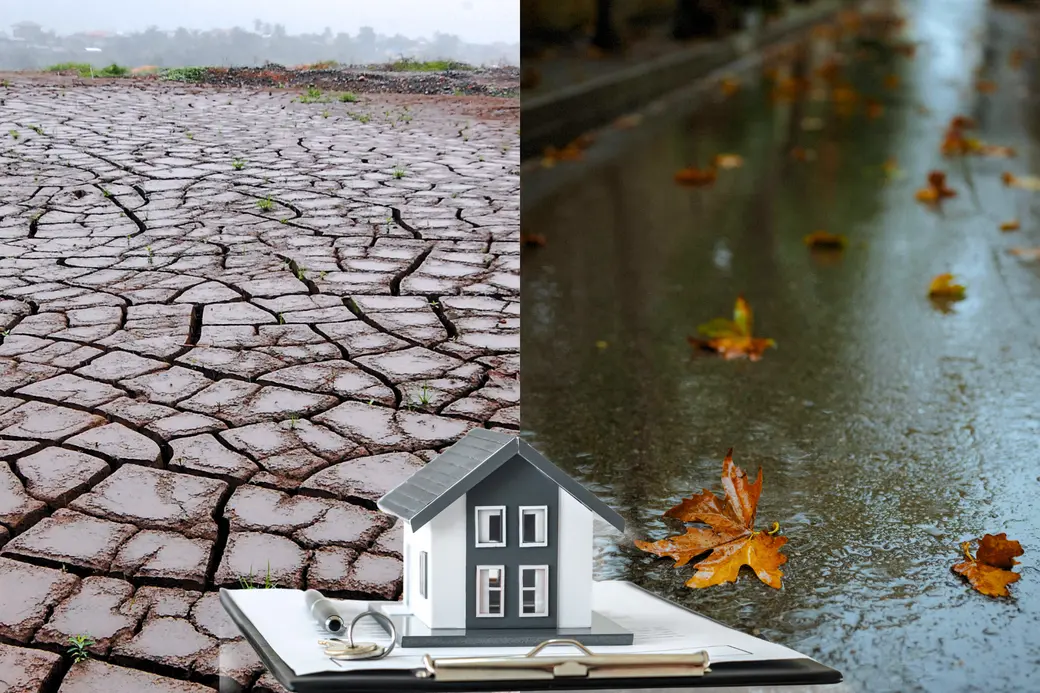
How can Santa Clarita homeowners prepare for El Niño and the possibility of heavy rain?
Start by checking your home's drainage, clearing gutters, organizing emergency supplies, and knowing where to find official weather and evacuation updates. El Niño can increase the likelihood of wetter conditions in Southern California, but it doesn't guarantee how much rain we'll receive or when storms will arrive.
As we head into the rainy season, a little preparation can help you spot potential problems around your property and make a plan before severe weather develops.
What Does El Niño Mean for Santa Clarita?
El Niño is a natural climate pattern associated with warmer-than-average sea surface temperatures in parts of the tropical Pacific Ocean. It influences atmospheric conditions and can affect weather patterns around the world.
According to the National Oceanic and Atmospheric Administration's October 2026 outlook, El Niño is strengthening, with strong to very strong conditions considered likely through early 2027. The forecast doesn't mean that every community will experience the same weather, and it can't tell us exactly when individual storms will arrive.
For Santa Clarita residents, the practical takeaway is simple: prepare for the possibility of heavy rain, flooding, debris flows, fallen trees, power outages, and difficult driving conditions.
These hazards don't affect every property in the same way. Drainage, terrain, nearby waterways, and local conditions can all influence the risks around a home. That's why it's worth checking your own property rather than assuming your neighborhood will experience the same conditions as the rest of the valley.
Start With Your Roof, Gutters, and Drainage
You don't have to wait for a storm warning to start preparing. One of the most useful first steps is to walk around your property and look for areas that may need attention.
Check your gutters and downspouts for leaves, dirt, and other debris. Blockages can prevent rainwater from draining as intended and may contribute to water spilling over near your home.
Look for visible roof damage, loose materials, water stains, or signs of leaks. Check private drains and make sure outdoor drainage areas aren't blocked by yard waste or other debris. If you notice a problem that requires repairs, arrange for appropriate professional help before heavy rain arrives, when possible.
Pay attention to areas where water tends to collect. If your property has a history of water intrusion, keep track of those locations and consider what needs to be addressed.
Don't enter storm drains, flood channels, or other areas where water may flow quickly. If you have concerns about public drainage infrastructure, contact the appropriate local agency.
Should You Get Sandbags Before It Rains?
Sandbags can help redirect shallow surface water when they're placed correctly, but they're not a solution for every flooding situation. They won't make a property safe from major flooding or debris flows.
If you think sandbags may be useful for your property, check the City's official rain preparedness website for current distribution locations and instructions. Availability and procedures can change, so confirm the details before heading out.
You should also consider where water flows around your home. Don't block drainage paths in ways that could send water toward your house or a neighboring property. If you're unsure how to manage a drainage concern, seek qualified advice rather than improvising a solution.
The City of Santa Clarita's Ready for Rain website provides local information on property preparation, sandbags, emergency contacts, and severe weather resources.
Put Together an Emergency Kit
A rainy-day emergency kit doesn't need to be complicated. The goal is to have essential supplies ready if severe weather disrupts your plans or you need to leave home.
Consider keeping these items in an accessible place:
- Drinking water and nonperishable food.
- Necessary medications and basic first-aid supplies.
- Flashlights and extra batteries.
- Phone charging equipment or a portable power bank.
- Copies of important documents stored in a waterproof container.
- Pet food, supplies, and any medications your pets need.
- A small supply of essential items in your vehicle.
Check your supplies periodically and replace anything that's expired or no longer working. If someone in your household has specific medical or accessibility needs, include the supplies and arrangements they may require.
It's also helpful to know how to turn off your home's utilities if an emergency calls for it. Only do so when it's safe and appropriate, and follow instructions from the relevant utility provider or emergency officials.
Review Your Home Insurance Before a Storm
Homeowners often don't think about insurance until something goes wrong. Before the rainy season gets underway, review your policy so you understand what it covers and what exclusions, limits, or deductibles may apply.
Don't assume that every type of water damage is covered. Flood damage, gradual leaks, and other water-related losses may be treated differently depending on the policy and circumstances.
If you're unsure about your coverage, contact your insurance provider and ask specific questions about the risks you want to understand. You can also take photos of your home's condition and belongings for your own records.
This isn't a guarantee that a future claim will be covered, but understanding your policy ahead of time can help you identify questions while there's still time to explore your options.
Sign Up for Emergency Alerts
During severe weather, conditions and evacuation instructions can change quickly. It's much better to know where official information comes from before you need it.
The City of Santa Clarita recommends signing up for Nixle emergency alerts. Residents can text SCEMERGENCY to 888777 to receive notifications.
You can also save these official resources:
- Rain preparedness: Ready for Rain offers local preparation guidance and resources.
- Evacuation zones: Genasys Protect lets residents review available evacuation zone information and routes.
- Emergency updates: Visit Santa Clarita Emergency Updates during an emergency for current information.
- County resources: Residents can review Los Angeles County information about potential mudflow and debris-flow forecasts, particularly if they live near a recent burn area.
Bookmark these pages now. During an emergency, use official sources for current instructions instead of relying on older social media posts or forwarded messages.
Know Your Evacuation Plan Before You Need It
Some areas may face greater risks from flooding, unstable slopes, or debris flows during heavy rain. Recent burn areas can be especially vulnerable to runoff and debris flows under certain conditions.
Take time to understand the risks that may apply to your location. Review available evacuation zone information, identify routes out of your neighborhood, and decide where you could go if you were instructed to leave.
Make sure everyone in your household knows how to receive emergency alerts. If you have pets, plan how you'll transport them and keep their essential supplies accessible.
If officials issue an evacuation order for your area, follow their instructions promptly. Don't wait until you see water or debris approaching before acting. Conditions can change quickly, and emergency personnel may not be able to reach every property individually.
Be Careful on the Road During Heavy Rain
Even familiar roads can become hazardous when heavy rain reduces visibility or causes water to collect in low-lying areas.
If you need to drive, slow down, leave extra space between vehicles, and allow more time to reach your destination. Watch for debris, fallen branches, and changing road conditions.
Never drive through standing or moving floodwater. You may not be able to judge its depth or the condition of the road beneath it. Don't drive around road closures, barriers, or debris blocking your route.
If you encounter a downed power line, stay well away from it and anything it may be touching. Call 9-1-1 if there's an immediate danger. Never attempt to move a fallen wire yourself.
When severe weather is expected, consider postponing nonessential trips and checking official road and emergency updates before leaving.
What Should Homeowners Do After Heavy Rain?
Once a storm passes, don't assume everything is fine just because the rain has stopped.
From a safe location, look for visible signs of roof leaks, water intrusion, blocked drainage, fallen branches, or damage around the property. Keep away from unstable slopes, flood channels, damaged electrical equipment, and areas where water or debris may still be moving.
If you notice damage, document it with photos when it's safe to do so. Contact your insurance provider if you may need to file a claim, and arrange for qualified help if repairs or further assessment are needed.
If your property is in an area affected by an evacuation order, wait for official confirmation that it's safe to return. Don't cross barriers or enter restricted areas because conditions appear calm.
A Little Preparation Can Make a Difference
Getting ready for the rainy season doesn't mean expecting the worst. It means taking reasonable steps while there's time to prepare.
Clear your gutters, check drainage around your property, organize essential supplies, review your insurance, and save the local emergency resources you'll need if conditions change. If you have a known drainage or maintenance issue, don't wait until the next storm to look into it.
For Santa Clarita homeowners, staying informed is just as important as preparing the property itself. Forecasts can change, and official guidance will provide the most relevant information as weather conditions develop.
Preparing to Buy or Sell a Home in Santa Clarita?
Understanding a property's condition and keeping up with home maintenance are important parts of homeownership. If you're thinking about selling, buying, or planning your next move, Cyndi Lesinski and Associates can help you understand your real estate options and prepare for the next step.
Cyndi Lesinski 661-510-5516. Broker-Associate and REALTOR®, Cyndi Lesinski and Associates serve in Valencia, Santa Clarita, Castaic, Canyon Country, Newhall, Saugus, Stevenson Ranch, the San Fernando Valley, Los Angeles, Burbank, Glendale, and beyond.
If you're looking for guidance on pricing, preparing your home for the market, understanding your options, or exploring your next purchase, visit Cyndi's Real Estate Support Center for additional resources and tools: Santa Clarita Real Estate Support Center
Categories
Recent Posts