Step-by-Step Timeline for Selling a House in Santa Clarita: From Listing to Closing
What is the timeline for selling a house in Santa Clarita from listing to closing?
While every transaction is unique, most home sales in Santa Clarita follow a similar process that begins with preparing the property for the market and ends with closing and transferring ownership. Understanding the timeline can help sellers plan ahead, avoid surprises, and move through the process with greater confidence.
Why understanding the timeline matters
Selling a home involves much more than putting a sign in the yard and waiting for offers. Multiple stages require planning, coordination, and decision-making.
Whether you're relocating, downsizing, moving into a new construction home, or purchasing another property, knowing what happens at each step can help you set realistic expectations and prepare for a smoother experience.
Although every transaction is different, the following timeline reflects the typical path many Santa Clarita sellers follow.
Phase 1: Preparing Your Home for the Market (1–4 Weeks)
The selling process often begins before the home is ever listed online.
During this stage, sellers typically focus on preparing the property to make a strong first impression. This may include decluttering, cleaning, minor repairs, touch-up painting, landscaping improvements, or staging recommendations.
The goal isn't necessarily to create a perfect home. Instead, it's about helping buyers envision themselves living there and minimizing distractions that could affect their perception of value.
During this preparation phase, many sellers also begin discussing pricing strategies and reviewing recent market activity in their neighborhood.
Phase 2: Pricing and Listing Preparation (Several Days)
Once the property is ready, attention shifts to pricing and marketing.
Determining the right listing price is one of the most important decisions a seller will make. A pricing strategy typically considers:
-
- Recent comparable sales
- Current active competition
- Market conditions
- Property condition
- Unique upgrades and features
Professional photography and marketing materials are often completed during this phase as well.
Because many buyers begin their search online, the first impression created by a listing can significantly influence buyer interest.
Phase 3: Going Live on the Market (Days 1–14)
After the home is officially listed, the first two weeks are often among the most important.
New listings typically receive the highest level of buyer attention when they first enter the market. During this period, buyers may schedule private showings, attend open houses, and begin evaluating whether the property fits their needs.
The amount of activity a home receives can depend on several factors, including:
-
- Pricing
- Condition
- Location
- Inventory levels
- Current buyer demand
Some homes receive offers quickly, while others may require additional time depending on market conditions.
Phase 4: Reviewing and Negotiating Offers (Several Days)
Once offers begin arriving, sellers have an opportunity to evaluate more than just the offered price.
Strong offers often include favorable financing terms, realistic timelines, and manageable contingencies.
At this stage, sellers may:
-
- Accept an offer
- Reject an offer
- Submit a counteroffer
- Compare multiple offers
Negotiations can sometimes be completed within a day, while more complex situations may take longer.
The goal is to identify the offer that best aligns with both financial and timing objectives.
Phase 5: Opening Escrow (Approximately 30–45 Days)
Once an agreement is reached, the transaction typically enters escrow.
Escrow is the period between contract acceptance and closing. During this time, both parties work through contractual requirements before ownership officially transfers.
This stage often lasts approximately 30 to 45 days, although timelines can vary depending on financing, inspections, and other transaction-specific factors.
Many sellers consider escrow the most important phase of the entire process because several key milestones occur during this period.
Phase 6: Buyer Inspections and Due Diligence (First 1–2 Weeks of Escrow)
After escrow begins, buyers often conduct inspections to evaluate the property's condition.
Depending on the transaction, inspections may focus on areas such as:
-
- General property condition
- Roof systems
- Plumbing
- Electrical systems
- HVAC equipment
Following inspections, buyers may request repairs, credits, or additional information.
Not every inspection results in negotiations, but sellers should expect this step as a normal part of the transaction.
Phase 7: Appraisal and Loan Approval (Weeks 2–4 of Escrow)
If the buyer is obtaining financing, the lender will typically order an appraisal.
The appraisal helps the lender determine whether the property's value supports the agreed purchase price.
At the same time, the buyer's lender continues reviewing documentation, verifying financial information, and working toward final loan approval.
Although much of this happens behind the scenes, it represents one of the most critical parts of the transaction timeline.
Phase 8: Final Preparations Before Closing (Last Week of Escrow)
As closing approaches, sellers begin preparing for the transfer of ownership.
This often includes:
-
- Completing agreed-upon repairs
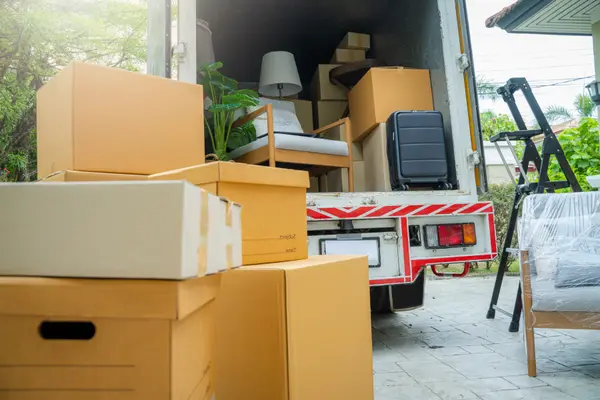
- Scheduling movers
- Organizing important property information
- Preparing keys, garage remotes, and access devices
- Coordinating utility transitions
Most major decisions have already been made by this point, allowing sellers to focus on logistics and moving plans.
Phase 9: Closing Day
Closing day is the final milestone in the selling process.
After all documents are signed, funds are transferred, and escrow officially closes, ownership transfers to the buyer.
For many sellers, this marks the completion of weeks, or even months, of planning and preparation.
Once the transaction is finalized, sellers can move forward with the next chapter, whether that's purchasing another home, relocating, downsizing, or pursuing a new opportunity.
Factors That Can Affect the Timeline
While many transactions follow a similar path, certain factors can speed up or slow down the process.
Common influences include:
- Market conditions
- Buyer financing
- Inspection negotiations
- Appraisal results
- Title issues
- Property condition
- Seller timing preferences
This is why every transaction should be viewed as unique rather than relying solely on averages.
Why Local Expertise Matters
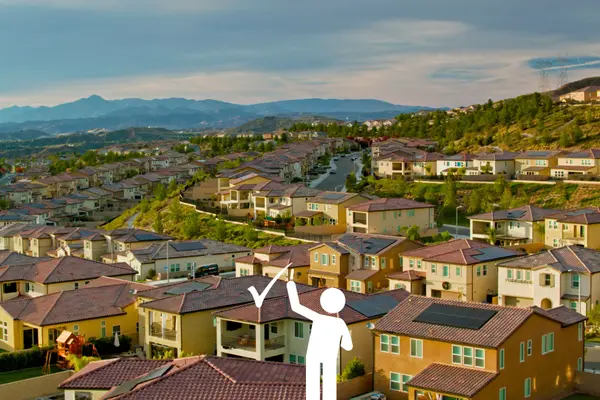
Santa Clarita's housing market includes diverse communities such as Valencia, Saugus, Canyon Country, Newhall, Stevenson Ranch, and Castaic. Each neighborhood can experience different levels of buyer demand and market activity.
Understanding those local trends can help sellers make informed decisions about pricing, timing, and negotiation strategies.
Cyndi Lesinski and Associates
A locally focused real estate team serving buyers and sellers throughout Santa Clarita and surrounding communities. The team works across resale homes, relocation assistance, and new construction opportunities, helping clients navigate market conditions and neighborhood-specific trends throughout the selling process.
Final Takeaway
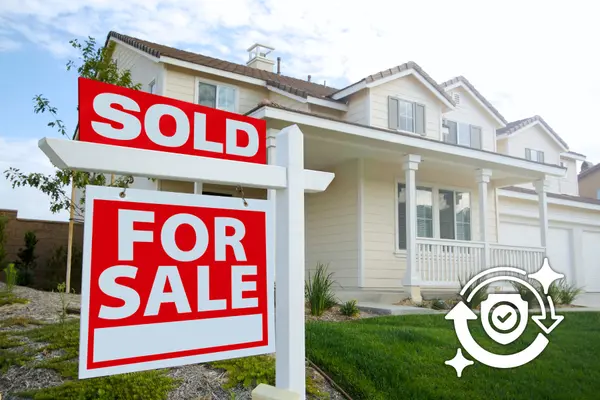
Selling a house in Santa Clarita is a process that unfolds over several stages, from preparing the property and launching it on the market to navigating escrow and closing the sale.
While timelines vary from one transaction to another, understanding what happens at each phase can help reduce uncertainty and make the experience more manageable. The better prepared you are, the easier it becomes to navigate each step with confidence.
Thinking About Selling Your Home in Santa Clarita?
Whether you're preparing to list your current home, relocating, downsizing, or exploring your next move, understanding today's market can help you make more informed decisions.
If you're looking for guidance on pricing, preparing your home for the market, understanding your options, or exploring your next purchase, visit Cyndi's Real Estate Support Center for additional resources and tools:
Santa Clarita Real Estate Support Center
Cyndi Lesinski, Broker-Associate and REALTOR® with Cyndi Lesinski and Associates, serves Valencia, Santa Clarita, Castaic, Canyon Country, Newhall, Saugus, Stevenson Ranch, the San Fernando Valley, Los Angeles, Burbank, Glendale, and surrounding communities.
Call or text 661-510-5516 to discuss your goals, learn about current market conditions, and explore your options before putting your home on the market.
Categories
Recent Posts