What to Expect During a Home Inspection in Santa Clarita (And What's a Deal-Breaker)
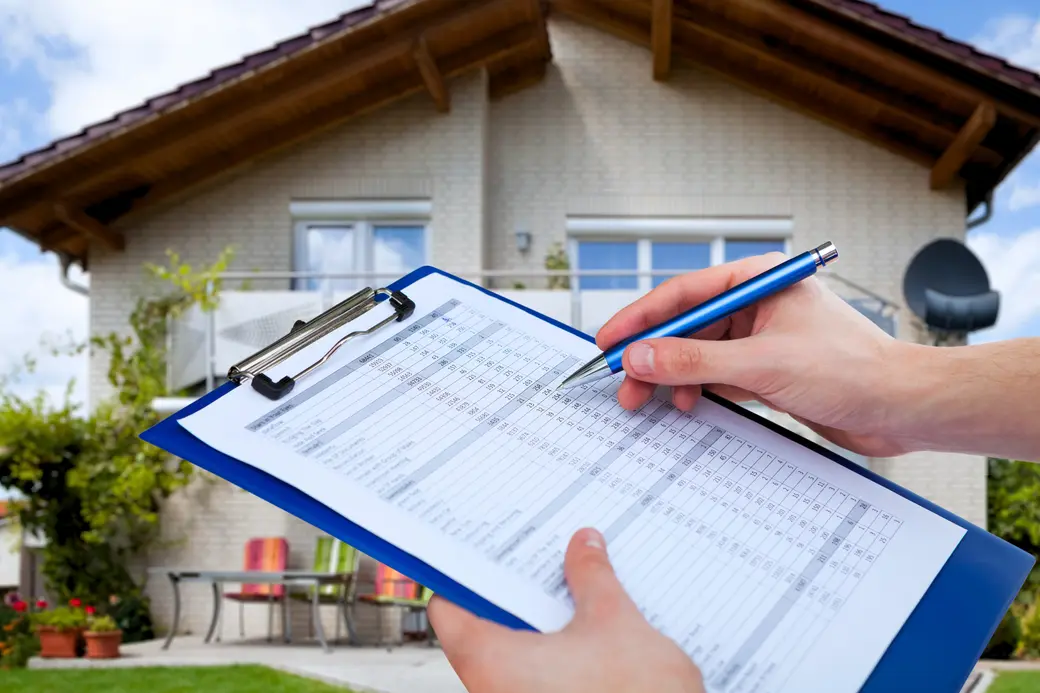
What should you expect during a home inspection in Santa Clarita, and which issues are true deal-breakers?
A home inspection is one of the most important steps in the home-buying process. While nearly every inspection uncovers some issues, most findings are manageable through negotiation, repairs, or credits. The key is understanding the difference between normal maintenance concerns and major problems that could affect a home's safety, value, or insurability.
Why Home Inspections Matter
Buying a home is one of the largest financial decisions most people will ever make.
That's why the home inspection period is so valuable.
A professional inspection gives buyers an opportunity to better understand the property's condition before finalizing the purchase. It can reveal hidden issues, identify future maintenance needs, and provide important information that helps buyers make informed decisions.
Many first-time buyers are surprised when they receive a lengthy inspection report.
The reality is that even well-maintained homes typically have dozens of items noted in an inspection.
An inspection report is not a pass-or-fail test.
Instead, it serves as a roadmap that helps buyers understand what they are purchasing and what repairs or maintenance may be needed over time.
What Does a Home Inspection Actually Cover?
A standard California home inspection is a visual evaluation of the property's accessible systems and components.
Inspectors evaluate the condition and functionality of major areas including:
Structure and Foundation
Inspectors look for signs of:
-
- Significant cracking
- Settling
- Movement
- Moisture intrusion
- Structural concerns
Roofing System
The inspection typically includes:
-
- Roofing materials
- Flashing
- Gutters
- Drainage systems
- Visible signs of leaks
- Estimated remaining roof life
Electrical System
Inspectors evaluate:
-
- Main electrical panel
- Visible wiring
- Grounding systems
- GFCI protection
- General safety concerns
Plumbing System
This includes:
-
- Water supply lines
- Drain systems
- Water heaters
- Visible leaks
- Water pressure concerns
Heating and Air Conditioning
Inspectors test:
-
- HVAC operation
- Airflow
- Basic functionality
- Safety concerns
Interior and Exterior Components
Additional inspection areas include:
-
- Doors and windows
- Walls and ceilings
- Flooring
- Attics
- Garages
- Built-in appliances
- Exterior surfaces
- Drainage around the home
What a Home Inspection Does NOT Cover
Many buyers assume an inspector can uncover every possible issue.
In reality, inspectors can only evaluate areas that are visible and accessible.
Additional inspections may be recommended for:
- Sewer lines
- Termites and wood-destroying organisms
- Pools and spas
- Chimneys
- Mold testing
- Lead-based paint
- Asbestos-containing materials
- Geological or soil conditions
In Santa Clarita, termite inspections and sewer line inspections are among the most commonly recommended supplemental inspections, especially for older homes.
Common Inspection Findings That Are Usually NOT Deal-Breakers
One of the biggest misconceptions buyers have is believing that every inspection issue is serious.
Most are not.
In fact, many findings simply reflect normal aging and wear.
Common examples include:
- Minor stucco cracks
- Aging but functional HVAC systems
- Older water heaters
- Loose fixtures
- Missing GFCI outlets
- Small plumbing leaks
- Weathered caulking
- Cosmetic wear and tear
These issues are typically addressed through negotiation or future maintenance planning.
They rarely justify walking away from a purchase.
The 7 Inspection Issues That Deserve Serious Attention
While most findings are manageable, some issues require additional investigation and careful consideration.
1. Significant Foundation Problems
Structural movement is one of the most expensive issues a homeowner can face.
Potential warning signs include:
-
- Large foundation cracks
- Uneven floors
- Doors and windows that no longer close properly
- Significant settling
In hillside communities throughout portions of Canyon Country and Newhall, buyers should take structural concerns particularly seriously.
When significant movement is suspected, a structural engineer may be recommended.
2. Major Roof Failure
A roof nearing the end of its life can create substantial expenses shortly after closing.
Potential concerns include:
-
- Active leaks
- Missing roofing materials
- Extensive deterioration
- Improper flashing
- Water intrusion
Beyond repair costs, aging roofs can sometimes create insurance challenges.
3. Hazardous Electrical Panels
Many older California homes still contain outdated electrical panels that insurers and electricians consider problematic.
Two of the most commonly flagged systems include:
-
- Federal Pacific panels
- Zinsco panels
These panels have known safety concerns and often become negotiation points during escrow.
In some situations, insurance companies may require replacement before issuing coverage.
4. Sewer and Plumbing Problems
A sewer line issue can quickly become one of the most expensive surprises for a new homeowner.
A sewer camera inspection may reveal:
-
- Root intrusion
- Cracked pipes
- Pipe collapses
- Significant deterioration
This is especially important for older homes where original plumbing systems may still be in use.
5. Extensive Termite Damage
Termites are common throughout California and should never be ignored.
Minor treatment needs are generally manageable.
However, extensive structural damage affecting framing, flooring systems, or roof components can significantly impact repair costs.
A termite inspection often provides critical information that is not included in a general home inspection.
6. Environmental Concerns
Environmental issues may require specialized evaluations.
Examples include:
-
- Significant mold growth
- Asbestos-containing materials
- Lead-based paint concerns
- Chronic moisture intrusion
Not every environmental issue is a deal-breaker, but buyers should fully understand the scope and cost of remediation before proceeding.
7. Insurance and Insurability Concerns
This is one issue many buyers overlook.
Even if a home appears attractive and reasonably priced, it may become problematic if insurance coverage is difficult to obtain.
Potential concerns include:
-
- Fire-risk locations
- Aging roofs
- Hazardous electrical systems
- Unpermitted improvements
Before removing contingencies, buyers should verify that acceptable insurance coverage is available.
What Should You Do If the Inspection Finds Problems?
Finding problems does not automatically mean the transaction is in trouble.
In fact, inspection findings often create opportunities for productive negotiation.
A smart approach typically includes:
Focus on Major Issues First
Prioritize:
-
- Safety concerns
- Structural issues
- Roofing problems
- Electrical hazards
- Significant plumbing concerns
These items generally deserve the most attention.
Get Professional Estimates
For larger concerns, obtain estimates from licensed contractors.
Having actual numbers makes negotiations far more productive than relying on guesses.
Consider Credits Instead of Repairs
In many situations, buyers prefer receiving a credit rather than having the seller complete repairs.
Credits allow buyers to:
-
- Choose their own contractor
- Control the quality of work
- Schedule repairs after closing
This often creates a smoother transaction for both parties.
Keep Perspective
Even a well-maintained home may generate a lengthy inspection report.
The goal is not finding a perfect house.
The goal is understanding the home's condition and ensuring you're comfortable moving forward.
What We're Seeing in Santa Clarita
Across Valencia, Saugus, Newhall, Canyon Country, Stevenson Ranch, and Castaic, inspection findings remain one of the most common negotiation points during escrow.
Fortunately, most issues can be resolved through credits, repairs, price adjustments, or additional evaluations.
The buyers who navigate inspections most successfully are typically those who focus on the major concerns while maintaining realistic expectations about normal homeownership responsibilities.
Cyndi Lesinski and Associates
A locally focused real estate team serving buyers and sellers throughout Santa Clarita, Valencia, Castaic, Canyon Country, Newhall, Saugus, Stevenson Ranch, the San Fernando Valley, Los Angeles, Burbank, Glendale, and surrounding communities. The team helps buyers understand inspection findings, evaluate repair concerns, and negotiate practical solutions that protect their investment while keeping transactions moving forward.
Final Takeaway
A home inspection is not designed to scare buyers away from a property.
Its purpose is to provide information.
Most homes will have inspection findings. The key is determining which issues represent normal maintenance and which deserve additional attention.
By understanding what inspectors evaluate, recognizing true deal-breakers, and approaching negotiations strategically, buyers can move forward with greater confidence and avoid costly surprises after closing.
Buying a Home in Santa Clarita?
Whether you're purchasing your first home, relocating to the area, or exploring different neighborhoods throughout the Santa Clarita Valley, understanding the inspection process is essential to making an informed decision.
At Cyndi Lesinski and Associates, we help buyers navigate every stage of the transaction, from property tours and inspections to negotiations and closing. Our goal is to help you understand the facts, evaluate your options, and move forward with confidence.
For additional buyer resources, market updates, and real estate support tools, visit:
Santa Clarita Real Estate Support Center
Cyndi Lesinski, Broker-Associate and REALTOR®, serves Valencia, Santa Clarita, Castaic, Canyon Country, Newhall, Saugus, Stevenson Ranch, the San Fernando Valley, Los Angeles, Burbank, Glendale, and surrounding communities.
Call or text 661-510-5516 to discuss your home-buying goals and learn how to navigate inspections and negotiations with confidence.
Categories
Recent Posts