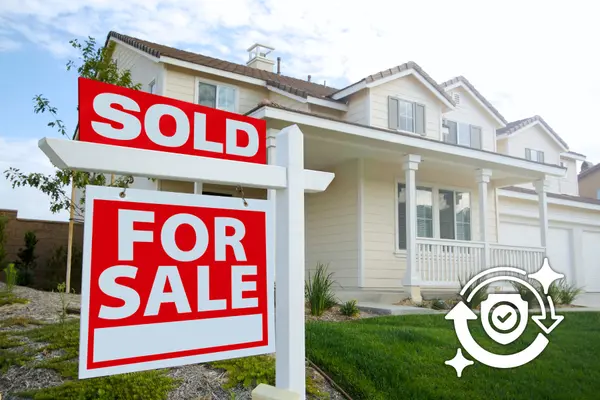
Selling in California, Buying in Florida: A Step-by-Step Relocation Guide
- Sell your California home first in most cases, because carrying two mortgages across two states is where relocation budgets go to die.
- Your federal capital gains exclusion ($250,000 single, $500,000 married) travels with you, but California taxes any gain above it as ordinary state income, so know your number before you list.
- Florida has no state income tax, but budget for homeowners insurance, wind mitigation, and flood coverage. Almost every California transplant underestimates this.
- Establish Florida residency and file for homestead exemption early. It caps your future property tax increases at 3 percent per year. (Note: Eliminating property taxes is on the Florida ballot in November ’26. It has tremendous support, as you can imagine. That sweetens the deal for those considering Florida as their new home.)
- Work with an agent on each end who talks to the other one. The handoff between your California sale and your Florida purchase is where deals fall apart.
Every year, thousands of Californians sell up and head to Florida. Lower cost of living, no state income tax, and in a lot of cases, a chance to buy a nicer house outright with the equity from a California sale. The math is often compelling.
The execution is where people get hurt. A cross-country relocation is really two transactions and a move stacked on top of each other, and the sequencing matters more than almost anything else. I worked with a couple from Pasadena last year who did it backwards. They found a house here they loved, went under contract, and then their California sale hit an appraisal problem. They spent two months paying a bridge loan and a mortgage while their buyer renegotiated. It worked out, but it cost them about what a nice kitchen remodel would have.
This post walks through the whole thing in order: the California side, the Florida side, and how to line up the timing so you're not paying for two houses or living out of a storage unit.
A quick note on who's writing this. I'm Jon Sterling, a licensed Florida real estate agent based in Vero Beach. I work with relocating buyers every month, so I see the Florida half of this move up close. For the California half, lean on Cyndi Lesinski, who knows your local market far better than I do.

Step 1: Run The Numbers Before You Do Anything Else
Start with three figures.
Your Net Proceeds. Take your likely sale price, subtract your remaining mortgage balance, agent commissions, and closing costs. That's your war chest for the Florida purchase.
Your Capital Gains Exposure. If you've owned and lived in your home for at least two of the last five years, the federal exclusion shields $250,000 of gain if you're single and $500,000 if you're married filing jointly. Plenty of longtime California owners have gains well above that. Here's the part people miss: California taxes the excess as ordinary income at state rates, on top of the federal capital gains rate. If you bought in the Bay Area or coastal Southern California in the 1990s or 2000s, talk to a CPA before you list, not after you close. There are timing and basis strategies that only work if you plan ahead.
Your Florida Budget. Whatever you think a Florida house costs, add the carrying costs. More on that in Step 4.
Step 2: Decide Your Sequence (Sell First, In Most Cases)
You have three options: sell first, buy first, or try to do both at once.
Sell First is the right answer for most people. You know your exact proceeds, you're a cash or near-cash buyer in Florida (a real negotiating advantage here), and you're not making offers contingent on a California sale that Florida sellers have no way to evaluate.
The downside is a gap where you don't own a home. Solve it with a short-term rental in Florida, a leaseback from your California buyer, or a few months with family. And honestly, a rental on the ground in your target Florida town is a feature, not a bug. It lets you test neighborhoods before you commit.
Buy First only makes sense if you have the cash or income to carry both properties comfortably, or you're using a bridge loan. Bridge financing exists, but it's expensive and it puts a clock on your California sale that can pressure you into accepting a weaker offer.
Simultaneous Close across two states and three time zones is possible, and I've done it, but it requires both agents, both title and escrow teams, and your lender to be in constant contact. Don't attempt it with a team that hasn't done it before.
Step 3: Prep And Sell The California House
This is Cyndi Lesinski’s territory, so I'll keep it short and defer to their advice on pricing and prep.
Two things I'll flag from the receiving end of these moves. First, negotiate a leaseback if you need one. A 30 to 60 day rent-back after closing gives you time to close on the Florida side or find a rental without moving twice.
Second, get your documents digital. Your Florida lender and title agent will want your California closing statement, and you'll want it at tax time. Scan everything before the moving truck swallows it.
Step 4: Understand What's Different About Buying In Florida
A few things catch relocating buyers off guard here.
Insurance is the Big One, so I'll spend the most time on it. Homeowners insurance in Florida costs more than most Californians expect, sometimes a lot more, and if you're buying near the coast you'll hear about wind coverage and possibly flood insurance, which is a separate policy and often required in mapped flood zones.
Before you make an offer, get an insurance quote on that specific property, not a ballpark for the zip code. Roof age matters enormously. A 15-year-old roof can make a house hard to insure at any price, which is worth knowing before you fall in love with it. One thing that helps: a wind mitigation inspection, which documents features like roof shape and hurricane straps, can meaningfully cut your premium. Ask for it.
The Inspections are different too. Beyond a standard home inspection, Florida buyers commonly order a wind mitigation report and, for older homes, a four-point inspection covering roof, electrical, plumbing, and HVAC, because insurers often require it.
Title Agents instead of escrow companies. California closes through escrow companies. Florida closes through title agents or real estate attorneys. Similar function, different paperwork and customs. Your Florida agent will walk you through it.
Property taxes reset when you buy. Your new Florida home is assessed at market value when you purchase.
Homestead exemption and the Save Our Homes cap. Once you make Florida your permanent residence and file for homestead exemption, you get a reduction in your assessed value and, more importantly, a 3 percent annual cap on future assessment increases. The deadline is March 1 of the year after you establish residency. File it.
No state income tax. The headline benefit, and it's real.
Step 5: Pick Your Florida Market Like You Picked Your California One
Florida is enormous, and the markets inside it barely resemble each other. Miami, Tampa, Naples, Jacksonville, and the Treasure Coast are different price points, different paces, and different lifestyles. Californians tend to gravitate toward coastal towns that feel established rather than sprawling, which is how a lot of my clients end up on the Treasure Coast.
If you're weighing options on Florida's east coast, I wrote a complete Vero Beach relocation guide that covers neighborhoods, cost of living, and what the first year actually looks like. Even if you land somewhere else in Florida, the framework for evaluating a town transfers.
Wherever you're looking, spend real time there before you buy. Visit in summer, not just February. Drive the commute. A weekend scouting trip is the cheapest insurance you'll ever buy on a six-figure decision.
Step 6: Close, Move, And Establish Residency
Once you're under contract in Florida, the checklist looks like this:
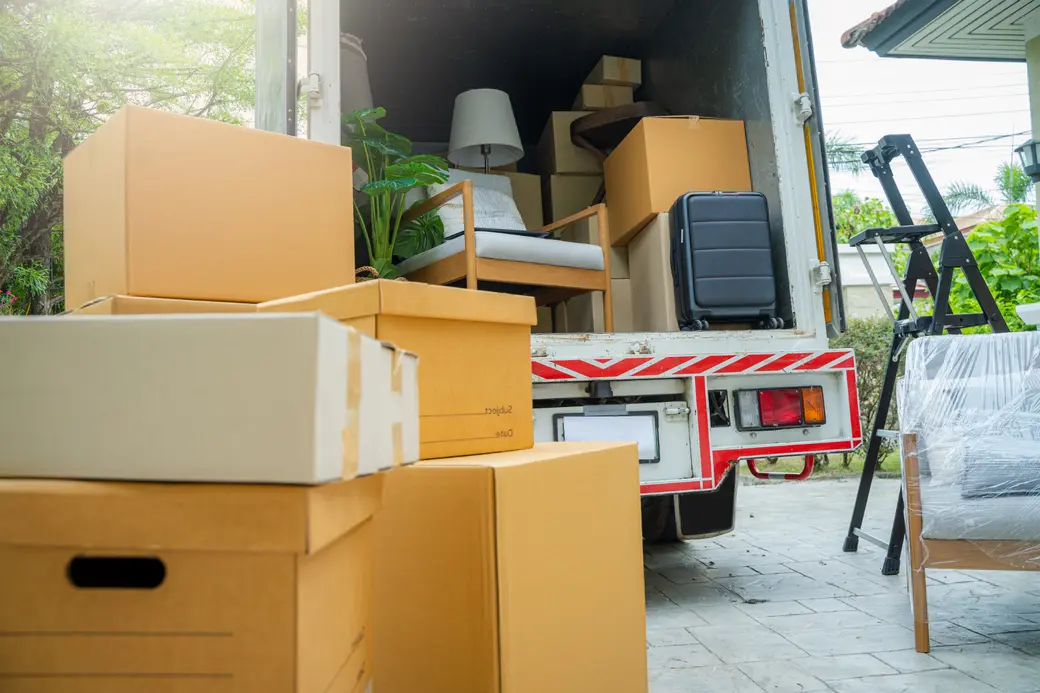
- Line up your move. Cross-country movers book out weeks in advance during peak season. Get three quotes and confirm delivery windows in writing.
- Close on the Florida property. If you're not in Florida yet, remote closings with a mobile notary are routine.
- Establish residency. Florida driver's license, vehicle registration, voter registration, updated address with the IRS and your financial institutions. If California residency taxes are a concern, your CPA will tell you the same thing I do: make the break clean and documented.
- File for homestead exemption before March 1.
- Review your estate documents. Florida and California treat wills, trusts, and property differently. A one-hour meeting with a Florida attorney after you arrive is worth it.
The Handoff Is Everything
The single biggest factor in whether this move is smooth or miserable is whether your California agent and your Florida agent are actually coordinating. Timelines, proceeds, and moving dates all have to line up across 2,500 miles.
If you're planning a move from California to Florida, start the conversation with Cyndi Lesinski about your sale. And if Florida's east coast is on your list, I'm happy to be the other half of that handoff.
Author Bio:
Jon Sterling is a licensed Florida real estate agent with The Real Brokerage in Vero Beach, on Florida's Treasure Coast. He has worked in real estate since 2002 and specializes in helping out-of-state buyers relocate to Florida. You can find his neighborhood guides and relocation resources at jonsterling.com.
Categories
Recent Posts